Senior Dog Care in Omaha: In-Home Help for Older Dogs
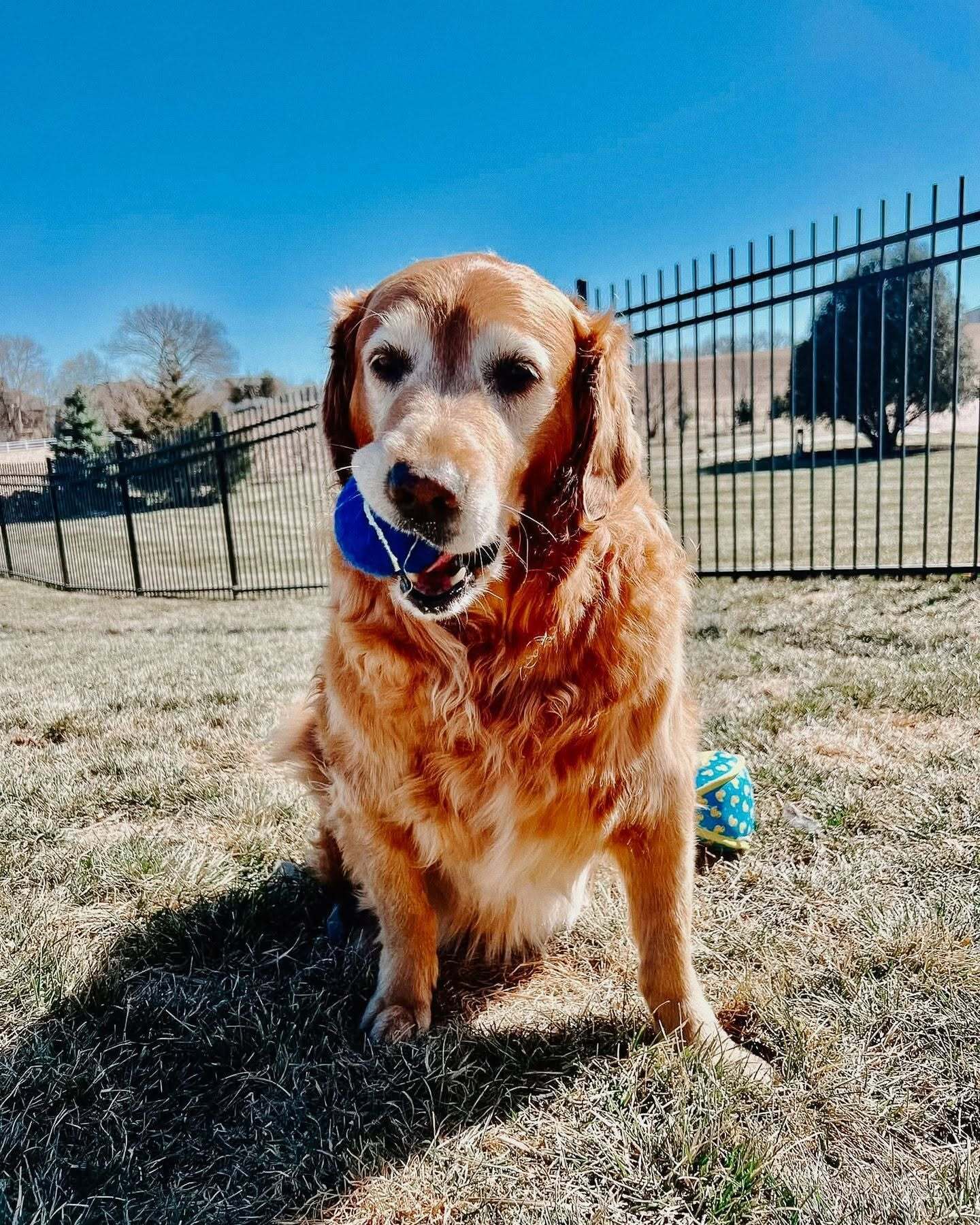
Our senior dogs have given us years of loyalty, and caring for them well in their later years matters. As dogs age, their needs change in ways that are easy to miss at first: a slower pace on walks, more naps, a little stiffness getting up. This guide covers what senior dog care involves, the signs your dog may need more support, and how in-home visits can help when you're at work or away.
When Is a Dog Considered a Senior?
There isn't one age that fits every dog. Size makes a big difference. According to the American Kennel Club, giant breeds like Mastiffs can be considered seniors by about 6 or 7 years old, while toy breeds like Yorkshire Terriers often don't reach their senior years until 10 to 12. Most medium and large dogs fall somewhere in between.
It's also worth remembering that aging isn't an illness. Plenty of older dogs stay happy and active for years. They just need their care to keep up with their changing bodies.
Signs Your Older Dog May Need More Support
Some changes are a normal part of getting older, like a graying muzzle or a few more naps during the day. Others are worth paying closer attention to and mentioning to your veterinarian. The AKC lists several common concerns for senior dogs:
- Stiffness or trouble getting up, limping, or less interest in activity, which can point to arthritis
- Weight gain, since older dogs often burn fewer calories than they used to
- Confusion, anxiety, or restlessness at night, which can be signs of cognitive decline
- Not responding to sounds or bumping into things, which may mean hearing or vision loss
- Drinking more, urinating more, or having accidents in the house
- New lumps, appetite changes, or unexplained weight loss
If you notice any of these, check in with your vet. Many conditions in older dogs are much easier to manage when they're caught early.
If your senior dog has started stopping mid-walk or refusing to go out, our guide on what to do when your dog stops walking and won't move covers common causes, including pain and discomfort.
How to Adjust Your Senior Dog's Routine
Small changes to daily life can make a big difference for an older dog.
Shorter, gentler walks. Many senior dogs do better with two or three shorter walks than one long one. Let your dog set the pace, choose flatter routes when you can, and give them time to sniff, which is good mental exercise without the strain.
More frequent potty breaks. Older dogs often can't hold it as long as they used to. A long workday without a break can mean accidents or discomfort, and midday visits help a lot here.
A consistent schedule. Senior dogs tend to feel most secure when meals, medications, walks, and bedtime happen at about the same times every day. Consistency is even more important for dogs showing signs of confusion.
Medication on time, every time. Many senior dogs take daily medications or supplements. Keeping those on schedule matters, especially when you're traveling.
Weather awareness. Older dogs handle heat and cold less easily. In Omaha winters, ice and salt are especially hard on older joints and paws, so our tips on protecting dog paws in snow and winter are worth a look. In summer, shift walks to early morning or evening.
A comfortable home setup. Rugs or runners on slippery floors, a supportive bed, and easy access to water can help older dogs move around with less effort.
Why In-Home Care Works Well for Senior Dogs
When you need to be gone, the type of care you choose matters even more for an older dog. Boarding means a new environment, unfamiliar noises, and other dogs nearby, which can be hard on a senior dog with joint pain, anxiety, or confusion. In-home care keeps your dog in the space they already know, sleeping in their own bed, with their routine intact. We break down the full comparison in our post on pet sitting vs dog boarding.
How Housebound Hounds Supports Older Dogs
We care for senior dogs across Omaha every week, and we build each visit around your dog's actual routine. Here's how our services fit the needs of an older dog:
- Midday dog walking: 25-minute, one-on-one walks Monday through Friday between 10:00 am and 2:30 pm. For senior dogs, we follow your lead on pace and distance, and a walk can be as gentle as your dog needs. You get GPS tracking and photos after every visit.
- In-home pet sitting: Visits start at $29 and last 25 minutes, with early morning, evening, weekend, and holiday times available. Visits can include potty breaks, feeding, medication, and companionship, all following the routine you set.
- Overnight care: For trips, a sitter stays in your home for a guaranteed 12 hours, typically from 6:00 pm to 6:00 am, starting at $155 per night. That includes late-night walks, a bedtime routine, medication, and a morning report card with photos. It's a good fit for older dogs who need a late potty break or get anxious alone at night.
Every new client starts with a meet and greet, so we can learn your dog's medications, mobility, feeding routine, and any quirks before the first visit. Our sitters are background-checked, our team is bonded and insured, and our standby team steps in if your regular sitter is unavailable, so your dog's schedule never gets skipped.
Our clients' own words say it best. One family told us how well our team cares for their aging retriever and how we communicate anything that might be a health concern. Another shared that their dog's extensive feeding and medication routine was handled perfectly while they were out of town. For senior dogs, that kind of attention to small details is what matters most.
We proudly serve Omaha, Bennington, Elkhorn, and Gretna. Check our service area to see if we cover your neighborhood.
Frequently Asked Questions
At what age is a dog considered a senior? It depends on size. Giant breeds can be seniors by about 6 or 7 years old, while toy breeds often aren't considered seniors until 10 to 12. Your veterinarian can help you decide when your dog's care should start to change.
How often should a senior dog go out to potty? It varies by dog, but many older dogs need more frequent breaks than they did when they were younger. If your dog is having accidents or seems uncomfortable during a long workday, a midday visit can help. Ask your vet if you notice a sudden change, since increased urination can be a sign of a health issue.
How much exercise does an older dog need? Most senior dogs still benefit from daily walks, but they often do better with shorter, gentler outings spread through the day. Your vet can help you choose the right amount based on your dog's joints, weight, and overall health.
Is boarding or in-home pet sitting better for a senior dog? For most older dogs, in-home care is the better choice. Staying home avoids the stress of a new environment and keeps their routine, bed, and medication schedule the same. Dogs with serious medical needs that require round-the-clock monitoring may need care at a veterinary facility instead.
Can Housebound Hounds give my senior dog medication? Yes. Our pet sitting and overnight care visits can include medication, following the instructions you go over with us during your meet and greet.
Want your senior dog to stay comfortable at home while you're busy or away? Start services with Housebound Hounds and schedule a meet and greet.